The world of sign-making is vast, blending creativity with technical expertise to produce compelling visual communication tools. Not only do signs serve vital functions such as attraction and direction, but they also establish brand identities and communicate messages effectively. Sign companies are crucial players in this industry, providing custom solutions that cater to the needs of businesses and individuals. This article delves into the details of how sign companies operate, from selecting materials to applying the latest design trends.
What Materials Are Used in Sign Making?
Sign making involves a variety of materials, each carefully chosen based on the specific requirements of the sign and its intended use. Common materials include acrylic, aluminum, vinyl, wood, and foam board, each offering unique advantages in terms of durability, appearance, and cost.
Acrylic, often used for its aesthetic appeal, offers a sleek, modern look and is highly durable, making it ideal for both indoor and outdoor signs. Aluminum is lightweight yet incredibly strong, making it perfect for long-lasting outdoor use, while vinyl provides flexibility and is often used for banners and vehicle wraps. The selection of materials is critical, as the right choice ensures the sign fulfills its visual and functional purpose.
While some materials are selected for their physical properties, others are chosen based on environmental conditions or client preferences. For instance, weather conditions can dictate the choice between metal and plastic, as metal is more resilient against harsh weather. Foam board offers a cost-effective option for temporary signage solutions, whereas wood can give a rustic, traditional feel suitable for certain types of businesses, like artisanal shops or restaurants. By thoroughly understanding the advantages and limitations of each material, sign companies can provide educated recommendations to their clients. This personalized approach ensures client satisfaction and long-term functionality of the signs produced.
Advancements in technology have introduced new materials to the sign-making industry, such as eco-friendly options like recycled plastics and biodegradable substrates. These sustainable materials help businesses reduce their environmental impact while maintaining the effectiveness of their signage. Additionally, the introduction of LED illumination has revolutionized the creation of illuminated signs, offering energy-efficient and vibrant options that stand out day and night. As sign companies continue to innovate in material selection, they balance aesthetic appeal with sustainability and performance, catering to a market that increasingly values eco-responsibility.
What Techniques Are Used in Designing Signs?
Designing a sign involves careful consideration of various factors to create a visually appealing and effective communication tool. One commonly used technique is digital graphic design, which allows designers to explore a vast array of fonts, colors, and layouts to find the perfect combination. Software tools like Adobe Illustrator and CorelDRAW enable precision in design, making it easier to create intricate details and vivid color schemes that capture attention. Another essential aspect of sign design is understanding the psychology of colors—choosing hues that evoke certain emotions or reactions can significantly impact how a sign is perceived. Thus, designers often work closely with clients to incorporate branding elements and ensure design alignment with their marketing strategies.
Typography is another crucial technique in sign design, as it influences readability and the overall message delivery. Designers focus on selecting legible fonts and appropriate sizes to ensure that signs convey messages clearly, even from a distance. Kerning, the spacing between letters, is adjusted to improve readability and visual balance. Additionally, sign designers use grid systems to maintain proportional and symmetric layouts, creating a harmonious visual experience. By fine-tuning these design elements, sign companies enhance the effectiveness of signs, facilitating communication between businesses and their audiences.
Innovative techniques such as 3D modeling and interactive design are gaining traction in the sign-making industry. Three-dimensional signs add depth and dimension, making them more engaging and noticeable. Meanwhile, interactive designs incorporate technology like QR codes or digital screens, allowing signs to offer more dynamic and personalized user experiences. These cutting-edge methods support the marketing strategies of modern businesses by capturing the interest of tech-savvy consumers. Through the thoughtful application of both traditional and contemporary design techniques, sign companies create powerful signage solutions that resonate with diverse audience groups.
How Are Signs Fabricated and Assembled?
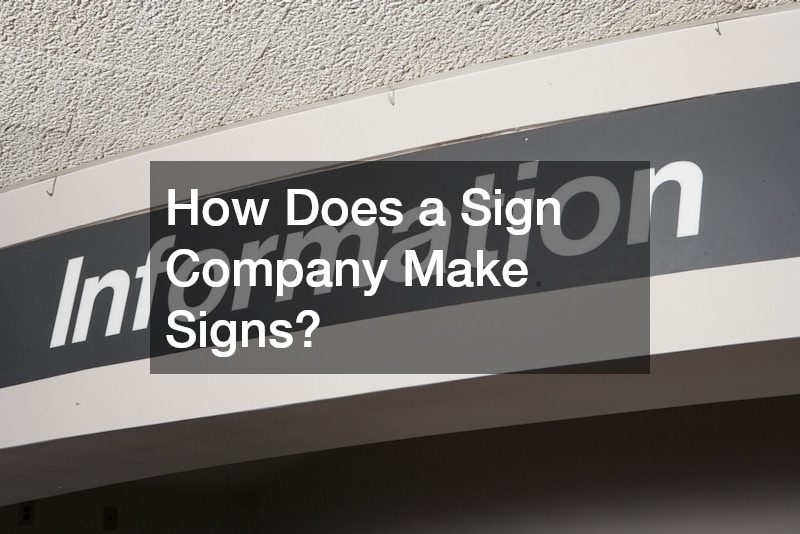
The fabrication and assembly of signs is a meticulous process that combines several advanced techniques to transform designs into physical products. Typically, once a design is finalized, it enters a production phase where precision tools are used to cut, shape, and engrave the chosen materials. CNC machines, which offer high levels of accuracy, are commonly used in this process, particularly for materials like metal and acrylic. Laser cutting technology provides fine detailing and precise cuts, essential for intricate designs, especially in logos and customized shapes. Through these technologically driven processes, sign companies ensure the longevity and durability of the signs they produce.
Assembly is another critical phase in sign making, involving the integration of various sign components. This might include attaching lighting elements to illuminated signs or mounting graphics on substrates. The use of adhesives, welding, or fasteners depends on the materials involved and the intended application. For large-scale signs, construction techniques ensure structural integrity, combining aesthetics with safety and functionality. Skilled fabricators play a crucial role during assembly, using their expertise to bring together all elements seamlessly, ensuring the final product meets quality standards and client expectations.
Quality control is an integral part of the fabrication and assembly process. Finished signs undergo rigorous testing to ensure they function correctly and maintain structural stability. This might involve checking the brightness of LED lighting or verifying the weather resistance of outdoor signs. Moreover, maintenance considerations, such as easy access for repairs or updates, are often factored into the design and assembly stages. By adhering to stringent quality protocols, sign companies guarantee that their products deliver impeccable performance and withstand the test of time, reinforcing their client’s brand or message effectively.
How Does a Sign Company Customize Signs for Clients?
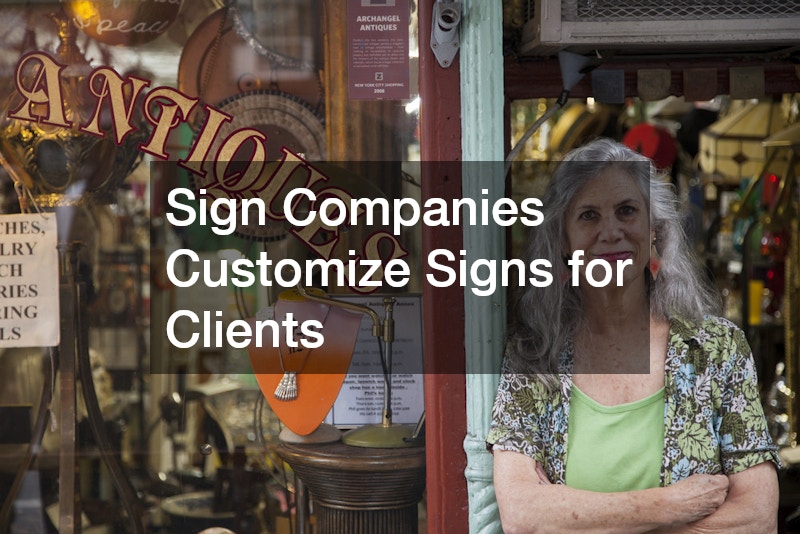
Customization is at the heart of sign-making, enabling businesses to express their unique identity through bespoke signage solutions. The process begins with a thorough consultation, where sign companies gather details about the client’s objectives, branding, and target audience. This dialogue helps designers create tailored concepts that reflect brand values and meet functional requirements. Clients are often presented with digital mock-ups or renderings to visualize how the final sign will appear in situ. Through collaboration, a sign company ensures that each sign is not only a product of their craftsmanship but also an embodiment of the client’s vision.
Personalization extends beyond aesthetics, encompassing functionality to meet specific client needs. For instance, a company looking to enhance nighttime visibility may opt for illuminated or reflective signs. Similarly, businesses seeking portability might select lightweight, modular designs that facilitate easy transportation and setup. Sign companies leverage their technical know-how to integrate these features while maintaining high standards of quality and design. By understanding and adapting to unique client demands, they deliver highly specialized products that distinguish their clients in competitive markets.
Emerging technologies continue to enhance the customization capabilities of sign companies. Digital printing allows for high-definition images and complex graphics that were once costly and time-prohibitive to produce. Additionally, customization options like changeable letterboards or customizable LED displays offer dynamic solutions for clients needing frequently updated content. These advancements enable sign companies to cater to broader clientele demands, ranging from small startups to large corporations. Customization thus remains a cornerstone of the industry, combining traditional craftsmanship with innovative solutions to deliver unique, effective, and brand-aligned signs.
What Are the Latest Trends in the Signage Industry?
The signage industry is constantly evolving, embracing cutting-edge innovations that keep businesses visually appealing and competitive. One significant trend is the integration of digital and interactive technologies in signage. Digital signage solutions, featuring vibrant displays and touch-screen capabilities, enable businesses to provide dynamic content easily updated to reflect new promotions or information. These systems offer a versatile platform for real-time communication with customers, enhancing engagement through interactive elements and multimedia content. As technology advances, the potential for digital interactivity in signage expands, revolutionizing the way businesses connect with their audiences.
Sustainability is another prevailing trend in the sign industry, driven by increasing environmental awareness among consumers and companies alike. Many sign companies are incorporating eco-friendly practices in their production processes, from using recycled materials to reducing energy consumption with LED lighting. Green certifications and sustainable business practices are becoming integral to design and producing signage, helping businesses align with eco-conscious consumer behavior. As the push for sustainability continues, innovations in materials and production processes are likely to take a front seat, offering greener alternatives that do not compromise on quality or performance.
In addition to technological and environmental trends, there is a growing emphasis on personalized and experiential signage. This aligns with the broader marketing trend of delivering tailored customer experiences. Signs are increasingly being customized not just to reflect brand identity but also to provide unique, memorable interactions with consumers. Techniques such as augmented reality and projection mapping offer immersive experiences that captivate audiences, creating deeper brand connections. As signage becomes more experiential, it transcends traditional advertising, establishing itself as a vital element within contemporary marketing strategies, driven by the desire to engage and impress.
The exploration of various materials, from traditional wood and metal to modern eco-friendly alternatives, demonstrates how critical material selection is to the sign-making process. Design and fabrication techniques have evolved significantly, incorporating digital tools and precision machinery, ensuring signs are both visually appealing and functionally robust. Furthermore, the industry’s shift towards customization and technological integration positions sign companies as creative innovators, providing unique solutions in a diverse market. Overall, the sign-making industry remains dynamic, continuously adapting to new demands and technologies, reflecting its indispensable role in visual communication and marketing.