Acquiring a legacy manufacturing facility or brownfield industrial site represents both a massive strategic opportunity and a complex engineering puzzle. Older plants often possess advantageous geographic positioning, established transport access, robust structural frames, and heavy utility grid tie-ins that would be cost-prohibitive to construct from scratch today. However, transforming a vacant or technologically obsolete factory into a lean, compliant, and modern production center requires far more than aesthetic renovations. It demands a systematic, multi-phase operational overhaul that addresses structural decay, deferred maintenance, code violations, and operational inefficiencies.
When an organization acquires a legacy facility, leadership is immediately confronted with layers of historical accumulation. Over decades of previous operation, industrial buildings gather obsolete machinery, non-compliant utility modifications, neglected thermal envelopes, and outdoor hazards that pose significant financial and legal risks. Attempting to manage this transition purely with internal staff often overburdens core operations and leads to costly project delays. Success hinges on assembling a specialized network of trade contractors, logistics specialists, and legal advisors capable of systematically executing the retrofit sequence.
This comprehensive guide details the key contractor partnerships necessary to take an older industrial plant from an idle liability to an active, high-yield manufacturing asset. By understanding the functional role of each specialized vendor within the renovation workflow, facility managers can streamline project timelines, minimize liability exposure, optimize capital expenditures, and build a resilient operational foundation designed for long-term productivity.
Clear-Out, Remediation, and Waste Management
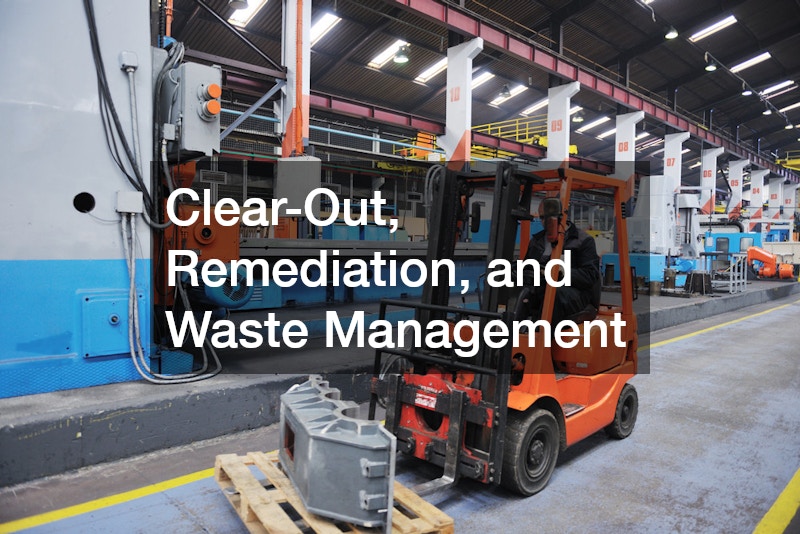
The initial stage of retrofitting any legacy plant begins with total site clearing and surface rehabilitation. Previous occupants frequently leave behind broken pallet racking, disused office furniture, abandoned processing equipment, non-hazardous industrial scrap, and general debris. Before civil engineers, electricians, or pipefitters can safely inspect and work on building systems, the floor space must be completely stripped down to its bare architectural shell. Partnering with professional junk removal companies is the most efficient method for rapidly liquidating high-volume interior debris and non-structural scrap that accumulates across expansive warehouse floors.
Simultaneously, active site remediation produces a continuous stream of heavy waste that cannot be handled through standard municipal trash collection. Construction crews tearing out dilapidated drywall, broken concrete flooring, old framing, and obsolete fixtures require dedicated containment solutions. Strategically positioning heavy-duty dumpster rentals across loading bays and facility ingress points ensures that demolition debris is segregated immediately. Proper waste staging prevents hazardous clutter on active walkways, maintains clear passage for heavy equipment, and allows the project management team to track disposal metrics required for environmental compliance and sustainability reporting.
Beyond general debris, legacy facilities almost always contain significant volumes of metal infrastructure, including obsolete overhead crane tracks, decommissioned conveyors, steel framing, and heavy iron machinery mounts. Scrap metal should never be treated as simple trash. Engaging a professional steel recycling service allows plant operators to monetize discarded structural metal while advancing corporate ESG goals. Processing centers specialize in on-site cutting, sorting, and hauling away tons of heavy steel, effectively transforming a costly demolition burden into a substantial financial offset that helps fund subsequent phases of the facility retrofit. Furthermore, establishing dedicated scrap recovery streams prevents valuable ferrous and non-ferrous materials from reaching overcapacity municipal landfills, directly supporting closed-loop manufacturing principles. Experienced metal recycling specialists utilize specialized rigging equipment, heavy-duty hydraulic shears, and plasma torch cutting teams to dismantle massive industrial fixtures safely, minimizing risk in confined overhead spaces. By systematically cataloging, weighing, and sorting copper wiring, stainless steel piping, structural beams, and heavy iron castings, scrap management teams optimize scrap valuation based on real-time commodity market prices. This systematic extraction process also unveils hidden structural defects in the underlying slab or load-bearing columns, giving structural engineers an unobstructed view to assess foundation integrity before heavy machinery installation begins. Moreover, maintaining meticulous chain-of-custody documentation for all recovered metals provides essential verification for LEED certifications and green building standards. Efficient scrap liquidation accelerates overall project schedules by rapidly freeing up critical square footage, allowing general contractors to mobilize scaffolding, floor-grinding machinery, and utility installation rigs without navigating physical bottlenecks. Integrating professional scrap processors directly into the early demolition phase establishes a clean, compliant, and cost-effective foundation for all downstream architectural, mechanical, and operational upgrades.
Logistics, Heavy Equipment Transport, and Exterior Infrastructure
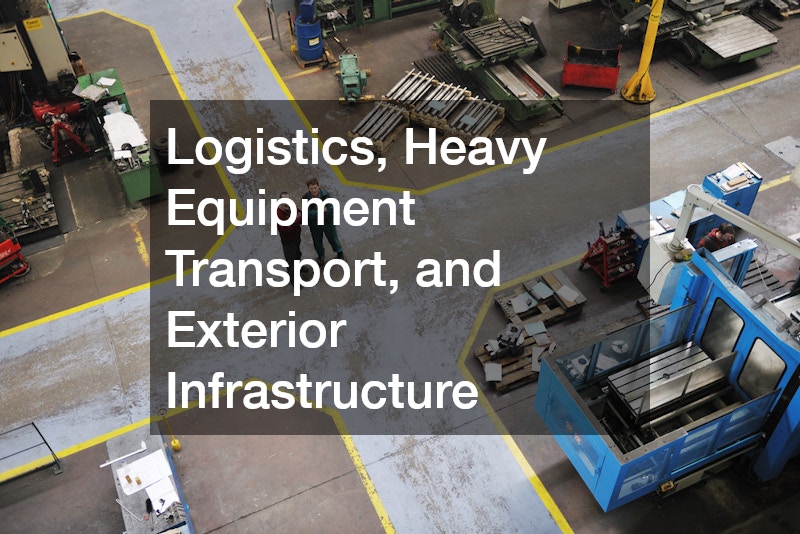
Once the interior of the plant is cleared of debris, focus shifts toward heavy equipment logistics and site access optimization. Retrofitting an older factory requires moving massive, delicate machinery out of the facility while transporting new production lines, transformer units, and structural components into place. Executing these operations safely requires seamless coordination with a dedicated hauling service equipped with lowboy trailers, flatbeds, rigging cranes, and specialized transport permits. Attempting to transport oversized industrial assets without specialized logistics partners can lead to severe structural damage to the facility’s loading docks, entryways, and pavement, alongside catastrophic equipment failure.
While heavy machinery is positioned inside, the exterior grounds demand equal operational focus. Over months or years of neglect, the outdoor premises of idle industrial plants deteriorate rapidly. Overgrown vegetation, unmaintained retention ponds, eroded embankments, and cracked perimeter pathways endanger structural foundations and create major safety hazards. Retaining professional landscape companies is essential for restoring perimeter visibility, re-establishing proper ground grading, and ensuring effective stormwater drainage away from the facility. Proper land management prevents water pooling near exterior walls, reduces pest infestation risks, and creates clear, safe lines of sight along perimeter fencing and security checkpoints.
Furthermore, exterior grounds management directly impacts stormwater regulatory compliance. Municipal environmental agencies enforce strict regulations regarding runoff management at industrial sites. Unchecked soil erosion can wash sediment and industrial residues into storm drains, resulting in severe environmental fines. Specialized outdoor contractors ensure that drainage swales, gravel buffers, and vegetated retention areas are properly graded and planted, protecting surrounding watersheds while creating a professional, clean exterior appearance that reassures investors, client auditors, and local inspectors.
Building Envelope and Environmental Controls
Older manufacturing buildings are infamous for severe energy inefficiency. Outdated thermal insulation, compromised roofing membranes, and single-pane industrial glazing lead to massive thermal loss, soaring utility expenses, and unstable indoor climate conditions that can ruin sensitive machinery or raw materials. Achieving energy efficiency and climate stability requires a comprehensive envelope audit led by a qualified local insulation contractor. Upgrading building envelope performance involves installing high-density insulation along interior exterior walls, thermal roof barriers, and protective pipe wrapping around steam and chilled water lines to eliminate thermal bridges and drastically reduce baseline operational energy demands.
Concurrently, the plant’s heating, ventilation, and air conditioning infrastructure demands immediate technical intervention. Industrial manufacturing facilities require precise atmospheric regulation to protect delicate electrical panels, control humidity levels, and maintain acceptable indoor air quality for machine operators. Existing rooftop units and industrial chillers in legacy plants are frequently operating on outdated refrigerants, suffering from compressor degradation, or clogged with decades of airborne industrial particulate. Partnering with an experienced AC repair service allows facility managers to overhaul legacy units, replace failing compressor coils, integrate modern variable-frequency drives, and balance ductwork systems across production floors and office spaces.
Modernizing climate control systems goes beyond basic comfort; it is a fundamental requirement for process control and occupational safety. High-tech manufacturing equipment generates substantial heat loads that must be dissipated to prevent automated thermal shutdowns. A fully optimized HVAC network maintains positive pressurization in cleanroom areas, removes particulate matter, and prevents moisture condensation on concrete floors and metal machinery—mitigating rust, electrical short circuits, and operational downtime before full-scale manufacturing commences. Furthermore, precise thermal stability protects sensitive measurement instruments, sensitive micro-electronics, and automated robotics from expanding or contracting beyond microscopic tolerances during continuous operation. Uncontrolled thermal fluctuations can warp precision tooling, cause calibration drifts in CNC machinery, and lead to catastrophic manufacturing defects that compromise whole production lines. Beyond protecting physical hardware, an upgraded system directly affects human performance and compliance with occupational health guidelines. High heat and inadequate ventilation decrease worker focus, increase reaction times, and drastically raise the risk of heat stress injuries among assembly crews. By integrating high-efficiency air scrubbing, dedicated outdoor air systems (DOAS), and intelligent humidity sensors, facilities can pull volatile organic compounds (VOCs), oil mists, and heavy dust directly from the breathing zone. Modernized control frameworks—such as central Building Automation Systems (BAS)—allow facility engineers to remotely monitor real-time zone temperatures, air change rates, and differential pressure levels across separate production bays. These automated systems leverage predictive maintenance algorithms to flag airflow drops, filter clogs, or refrigerant leaks long before a catastrophic equipment failure disrupts shift operations. In tandem with smart air distribution, continuous environmental logging provides audit-ready data for regulatory bodies and quality management standards like ISO 9001. Ultimately, treating environmental conditioning as a core engineering parameter rather than an auxiliary facility management detail ensures long-term operational resilience, reduces lifecycle energy expenditure, protects human health, and cements a manufacturer’s competitive advantage in a fast-moving market.
Mechanical, Plumbing, and Electrical Resilience
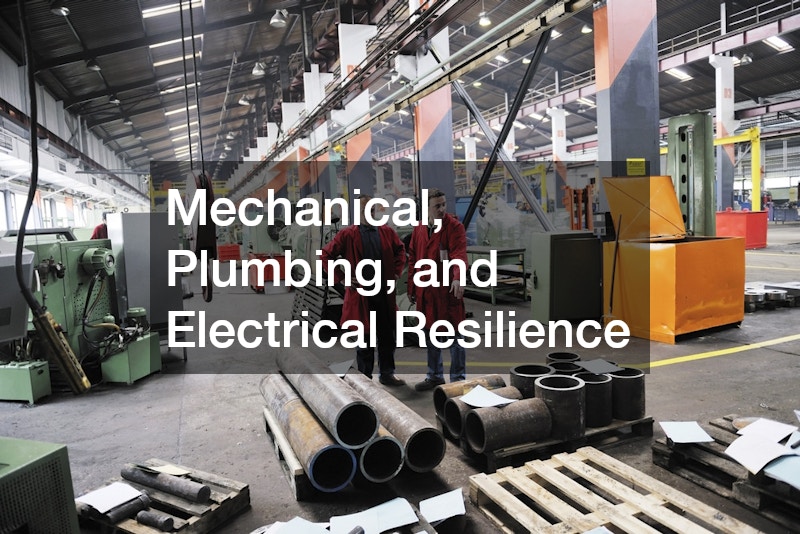
Fluid handling and municipal utility connections represent another critical vulnerability in legacy industrial structures. Decades of heavy usage, chemical exposure, and seasonal freezing often leave underground supply lines, industrial drainage networks, and process piping severely degraded. Before starting production, factory management must schedule a complete system audit and industrial plumbing repair project. Certified technicians utilize advanced inline sewer cameras and hydrostatic pressure testing to identify hidden leaks, pipe wall thinning, scale buildup, and illegal or non-compliant effluent cross-connections. Correcting these fluid infrastructure defects prevents catastrophic pipe bursts, structural slab settling, and toxic industrial backflow events that could halt production.
Electrical grid stability and power reliability are equally paramount when revitalizing an older manufacturing plant. Modern automated assembly lines, robotic arms, and CNC machinery demand clean, continuous, and highly stable power. However, local utility grids are increasingly subject to severe weather disruptions, rolling brownouts, and voltage fluctuations. To safeguard sensitive equipment and prevent million-dollar production line stoppages, facility owners must prioritize a turnkey backup generator installation. A properly sized industrial generator system, integrated with automatic transfer switches, provides immediate power redundancy, ensuring that essential environmental controls, safety lighting, server rooms, and critical processing equipment remain operational during utility power failures.
Integrating mechanical, plumbing, and backup power infrastructure creates a resilient industrial ecosystem capable of handling high-capacity operational stress. Regular preventative maintenance schedules should be established immediately following installation and repair, ensuring that pumps, valves, backflow preventers, and generator fuel delivery systems are routinely tested and certified by licensed professionals.
Mitigating Occupational Hazards and Legal Liability

As physical facility upgrades near completion, management must turn rigorous attention toward risk management and workplace safety protocols. Older manufacturing buildings present inherently higher liability profiles due to irregular floor surfaces, varying step elevations, legacy concrete pits, and high-traffic loading bays. Slippery concrete floors, unaddressed oil leaks, unpaved exterior paths, or uneven transition thresholds frequently lead to severe employee or contractor injuries. In the modern industrial sector, a single catastrophic workplace accident can trigger massive workers’ compensation claims, OSHA inspections, and costly litigation overseen by a seasoned slip and fall lawyer representing injured parties.
Proactively mitigating physical hazards is both an ethical responsibility and an economic necessity. Facility management must implement rigorous surface treatment strategies, including applying high-traction epoxy coatings on concrete walkways, installing clear safety signage, maintaining non-slip stair treads, and ensuring bright, high-lumen LED lighting throughout all interior aisles and exterior parking lots. Furthermore, establishing strict maintenance protocols for immediate cleanup of liquid spills, ongoing monitoring of plumbing lines for slow leaks, and constant ice removal along exterior walkways during winter months creates a robust defense against claims of property negligence.
Investing in comprehensive risk mitigation yields substantial long-term benefits, including significantly lower commercial liability insurance premiums, improved worker retention, and uninterrupted operational continuity. By working closely with environmental health and safety specialists alongside legal compliance teams, plant owners ensure that their newly retrofitted facility not only meets current state and federal safety codes, but actively fosters a zero-harm safety culture across every shift.
Establishing Long-Term Contractor Partnerships for Sustained Operations
The successful transformation of a legacy industrial facility into a modern manufacturing hub is not the end of the journey; it is the beginning of an ongoing facility lifecycle management strategy. The contractors engaged during the retrofitting phase—from environmental logistics and heavy haulers to mechanical specialists and groundskeepers—form the core vendor ecosystem required to sustain continuous plant uptime. Establishing ongoing, long-term preventative service agreements with these trusted trade partners ensures rapid emergency response times, predictable operational budgeting, and consistent compliance with evolving industrial standards.
Ultimately, buying and retrofitting an older manufacturing plant is one of the most effective ways to scale industrial operations quickly and sustainably. By strategically leveraging specialized contractor expertise across site clearance, structural recycling, heavy transport, thermal envelope optimization, mechanical repair, power resilience, and grounds safety, facility operators can effectively unlock the latent value of legacy industrial infrastructure. This disciplined, phase-driven approach transforms aging physical structures into state-of-the-art, safe, and highly profitable production hubs engineered to thrive for decades to come.